How to Protect Your Rugs From Moth and Bug Damage
When you want to protect your rugs, understanding how bugs behave is the first and most important step. Bugs don’t lie to be disturbed and they thrive in dar, quiet, hidden spaces. A beautiful wool or natural-fiber rug under a sofa, dining table, or oversized chair becomes the perfect envirnorment for bugs to live, feed, and reproduce when it isn’t moved or cleaned regularly. If you want to protect your rugs from expensive damage, permanent fiber loss, or full infestation, it’s essential to know how to interrupt their life cycle and eliminate the conditions that allow pest to thrive.
Bugs that damage rugs – such as moths, carpet beetles, and other textile pests – are not random visitors. They are strategic. They choose spaces where they can live undisturbed for long periods of time. That is why homeowners often don’t notice the damage until it’s too late. The backside of your rug, the untouched corners, the areas under furniture, and the dark folds of rugs in storage are all ideal places for ugs to hide. When you understand these habits, you take meaingful steps to protect your rugs before damage occurs.
Below are three essential tips to help you protect your rugs from moth and bug activity, maintain the life of your rug, and keep your home safe from infestations.
1. Vacuum Regularly to Protect Your Rugs
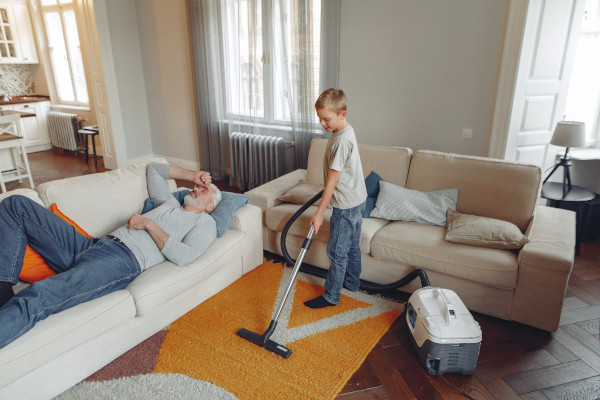
One of the simplest, most effective steps you can take to protect your rugs is to vacuum consistently – especially in the area tha tnever get touche. Most people vacuum the visible surface of their rugs but forge the most important places: underneth furniture, along the edges,and the backside.
Bugs thrive in still, quiet, undisturbed area. These area provide perfect shelter for larvae to feed and reproduce. When you vacuum regularly, you interrupt their life cycle and make your rug an undesirable home for pest.
Flip the Corners and Check for Warning Signs
To truly protect your rugs, you much look at the rug – not just vacuum it. Every few weeks, flip back the corners and inspect for:
- Fine sand-like particles (larvae droppings)
- Loose fibers that look chewed or broken
- Small bare patches or thinning areas
- Live larvae or small, worm-like insects
These are the telltale signs that bugs have settled in. Early detection is one of the most powerful ways to protect your rugs before the damage spreads.
Use Sunlight as a Natural Bug Deterrent
If you can safely do so, place your rug in direct sunlight for a few hours several times each year. Sunlight disturbs pest and make your rug far less attractive to them. Bugs hate light, heat, and movement – which means exposure is a great way to protect your rugs naturally.
Large rugs may not be easy to move outdoors, and that’s okay. In those cases, regular washing will do the heavy lifting to keep pest away.
Use a High-Quality Rug Pad to Protect Your Rugs
A good rug pad is one of the most overlooked tools to protect your rugs from bug activity. Without a quality pad air pockets form beneath the rug – creating the perfect place for bugs to hide, feed, and reproduce.
A premium rug pad:
- Removes pockets where bugs love to nest
- Helps your rug lay flat
- Allows better airflow
- Protects the rug foundation
- Prevents friction wear
Something as simple as upgrading your rug pad is one of the smartest way to protect your rugs for years to come.
2. Elimate Their Food Souce to Protect Your Rugs
If you want to protect your rugs, it helps to understand one major truth: bugs like rugs they can eat. Wool and other natural fibers are essentially a buffet for textile pests. Bugs don’t randomly choose your rugs – they choose them because they are a food source.
The more wool, silk, or natural fiber you have in your home, the more important it becomes to intentionally protect your rugs. If bugs find a rug full of food and dark undisturbed hiding spots, they will reproduce quickly. What started as a minor, almost invisible problem becomes a full infestation.
Make Your Rug Taste Bad with a Moth-Repellent Treatment
A powerful way to protect your rugs is by eliminate the appeal. Professional moth-repellent treatments make your rug taste unpleasant to bugs. These treatments are safe for your home, and extremely effective at preventing feeding.
When your rug is no longer a food source, pests move on. It is that simple. A treaed rug makes it far easier to protect your rugs long-term.
Always Treat Rugs Before Putting Them in Storage.
If you plan to store a rug – even for a short period – it is crucial to protect your rugs before they get packed away. Remember:
Bugs don’t like to be disturbed.
A rug in storage is rarely disturbed. It becomes prie real estate for pests.
Before storing any rug:
- Have it professionally washed
- Treat it with moth repellent
- Wrap it properly in breathable materials
- Store it off the ground in a dry, climate-controlled space
Skipping these steps is one of the quickest ways to unintentionally invite infestation and cause irreversible damage. A properly treated rug is the only way to truly protect your rugs while they’re not in use.
3. Use Submersion Washing to Protect Your Rugs From Hidden Eggs
even with regular maintenance, bugs can lay eggs in your rug that remain hidden for years. These eggs ae microscopic. You cannot see them. You cannot vacuum them out completely. And they can lie dormant until the conditions are right – hatching into larvae that immediately begin feeding.
Submersion washing is the only method that removes eggs deep withing the rug’s foundation. If you want to effectively protect your rugs, routine professional washing essential.
Why Vacuuming Alone Cannot Protect Your Rugs From Eggs
Vacuuming removes surface debris, loose fibers, and some eggs, but it cannot reach:
- Deep foundation layers
- Inner warp and weft strands
- Compacted fibers
- Dense knots in handwoven rugs
Eggs hide in these area, waiting for warmth and silence. To truly protect your rugs, you need full immersion washing – so water flows through every layer of the rug to flush out hidden contaminatns.
How Submersion Washing Helps Protect Your Rugs
Submersion washing is the gold standard for rug care because it:
- Removes embedded dirt
- Kills or flushes out hidden eggs
- Eliminates bacteria
- Restores softness and vibrancy
- Improves longevity
This level of deep cleaning is what allow you to confidently protect your rugs from pets and long-term damage.
Wash Your Rugs Every 1 to 3 Years to Protect Them
The best way to protect your rugs from bug damage is to have them professioaly washing every 1 to 3 years, dependig on:
- Foot traffic
- Pets in the home
- Under-furniture placement
- Seasonal changes
- Use of rug pads
Nothing protects your rugs like regular maintenance. Even one cleaning every few years can prevent thousands of dollars of damage.
Even Clean Rugs Need Movement to Stay Protected
Eevn after washing, even with moth repellent, even with good vacuuming – your rugs can still be at risk if they are never moved. Bugs can find their way into your home through clothing, flowers, boxes, vents, and even grocery bags. If an untreated, undisturbed, dark, hidden spot exist eggs may hatch before you ever notice.
This is why movement is essential if you want to protect your rugs:
- Rotate rugs every few monts
- Lift edges to check for activity
- Vacuum underneath the rug itself
- Keep climate and humidity stable
- Avoid long-term darkness
Movement disrupts bugs. Disturbance keeps them away. When in doubt, move the rug.
Know The Signs and Take Action to Protect Your Rugs
If you truly want to protect your rugs from moth and bug damage, you must stay consistent with maintenance and inspections. Bugs can sneak in without warning, and by the time the damage is visible, it is usually too late. By vacuuming regularly, eliminating their food source, using repellent treatments, and scheduling professional submersion washing, you can dramatically protect your rugs and extend their life for decades.
Rugs are investments – financially, emotionally, and aesthetically. They deserve to be protected. With the right habits and professional care, you can confidently protect your rugs and keep them beautiful, clean, and safe for generations.