Do It Yourself Rug Cleaning: What Homeowners Must Know Before Trying DIY Methods
Do it yourself rug cleaning may seem like a convenient way to save time and money, but when it comes to fine area rugs, do it yourself rug cleaning often causes more harm than good. Rugs are fundamentally different in construction from wall to wall-to-wall carpet, even though they may look similar from the top. Understanding these differences is the key to protecting your investment and ensuring your rug last of generations.
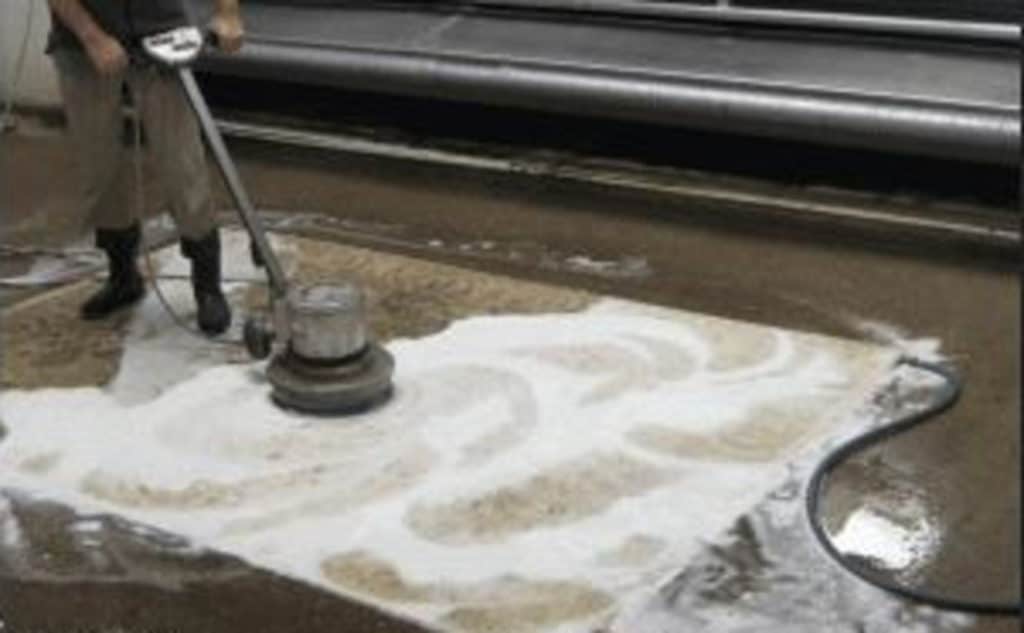
Many homeowners assume that because carpet cleaning machines exist, they can simply perform do it yourself rug cleaning with the same equipment. Unfortunately, what works for carpeting simply does not work for area rugs. And the consequences – fiber damage, color bleeding, hardened residue, mold growth, and premature wear – are often irreversible.
This article explains why do it yourself rug cleaning is risky, how rugs are built differently than carpet, the dangers of improper cleaning, and why true rug washing must include dusting and full submersion washing.
Why Rugs Cannot Be Cleaned Like Carpet
The biggest misunderstanding behind do it yourself rug cleaning is assuming that carpets and rugs share the same structure. They do not.
Carpet Has a Plastic Backing
Wall-to-wall carpet is constructed with a plastic backing and is made to be cleaning from the top down. Carpet cleaning systems – particularly hot water extraction – are designed specifically to rinse and clean the tips of the carpet fibers.
Rugs Have Tightly Woven Foundations
Area rugs especially wool, oriental, natural fiber, and even many synthetics, are built with foundation fibers that are tightly woven and wrapped. These fibers act like dirt traps. Soil doesn’t set on the surface – it buries itself deep into the foundation layers.
This is why do it yourself rug cleaning fails: no home machine can remove the pounds of dry soil that accumulate inside a rug’s core. Vacuuming also cannot reach it, and carpet machines are not made for rug foundations.
Why Dusting is Essential Before Any Cleaning
Proper rug cleaning begins with dusting – the process of removing dry soil before any water touches the rug. Professional dusting is done using special equipment that vibrates, beats, or lifts deeply embedded soil out of the rug.
When attempting do it yourself rug cleaning, homeowners wash rugs that still contain compacted dirt. The result is a muddy paste that settles and hardens in the base of the foundation.
This hardened material:
- Cuts the delicate wool or cotton fibers
- Weakens the rug’s structure
- Accelerates wear in high-traffic areas
- Makes the foundation brittle
- Can permanently damage the rug
And once this material forms, even professionals must sometimes use aggressive cleaning methods to remove it – methods that may not be appropriate for older or delicate rugs.
Dangers of Do it Yourself Rug Cleaning in the Home
1. Residue That Turns into a Plastic-Like Substance
When moisture, dirt, and strong detergents mix deep in the rug’s foundation, they create a hardened, plastic-like residue. This residue is a common outcome of do it yourself rug cleaning, especially when using rental carpet machines or store-bought steam cleaners.
Once hardened this residue:
- Cust the fibers internally
- Makes the rug feel stiff
- Causes rapid resoiling
- May be impossibl to completely remove
2. Overwetting and Slow Drying
Rugs are extremely absorbent – much more than carpet. Wool fibers can hold up to 30% of their weight in moisture without feeling wet. Cotton warps and wefts (the rug’s skelton) absorb water even more rapidly.
With do it yourself rug cleaning, rugs often remain wet for days because home environments lack the drying equipment used in professional facilities.
Slow drying leads to:
- Wicking (brown stains rising to the top)
- Mildrew and mold growth
- Dry rot in the foundation
- Smelly, musty odors that return
- Permanent damage to dyes and fibers
3. High Heat Causes Color Bleeding
Many DIY machines use hot water or steam. Hot water combined with agitation can cause wool dyes to run, especially in handmade and older rugs. Once color bleed, the rug may never look the same again.
4. Cleaning Only the Surface, Not the Foundation
Carpet cleaning machines – even the best ones – only clean the tips of the fibers. They do not and cannot:
- Clean the foundation
- Remove embedded soil
- Rinse away detergents trapped deep inside
- Flush the rug completely
True area rug cleaning must reach every layer of the rug’s structure, something impossible to achieve with do it yourself rug cleaning equipment.
Why True Rug Cleaning Must Include Dusting and Submersion Washing
Professional rug cleaning facilities use a multi-step process that home cleaning simply cannot replicate.
1. Thorough Dusting
Rugs are placed into specialized dusting machines that safely extract:
- Sand
- Grit
- Hair
- Allergen particles
- Fine dust
- Soil trapped deep inside the foundation
This step alone removes pounds of dirt that DIY methods never touch.
2. Cold-Water Immersion Washing
Wool rugs must be washed in cold-water – never hot. The rug is fully submerged in a pool or flowing wash floor where gentle but effective agitation dissolves soil throughout the entire foundation.
Immersion washing:
- Flushes out all dirt
- Removes all cleaning residues
- Rinses the rug thoroughly
- Leaves fibers soft and supple
- Protects the rug’s dyes
- Restores vibrancy and shine
This is why do it yourself rug cleaning can’t compare. Nothing cleans better than cold-water submersion washing.
3. Professional Rinising
After washing, the rug goes through industrial rinsing systems that remove every trace of soap and soil. DIY machines leave behind residue – professional systems don’t. Residue is the #1 cause of rugs becoming dirty again quickly.
4. Controlled Drying
Drying is one of the most crucial steps in rug cleaning. Professional facilities use:
- Centrifugal water extraction machines
- Climate-controlled drying rooms
- Airflow system
- Dehumidifiers
This ensures rugs dry from the inside out, preventing mold, mildew, and browning. Do it yourself rug cleaning simply cannot dry rugs fast enough or thoroughly enough to prevent interior moisture problems.
The Importance of Wool-Safe Cleaning Solutions
Another major risk with do it yourself rug cleaning is using the wrong chemicals
Carpet Detergents Are Made for Plastic Fibers
Most carpet is made from nylon, a plastic fiber that responds well to strong detergents.
Wool is Hair – Delicate and Sensitive
Wool is a natural protein fiber. Using harsh chemicals on wool is like using dish soap on your own hair – it strips the fibers, weaken them, and affects texture and color.
Wool-safe solutions are:
- Mild
- pH balanced
- Designed to protect dyes
- Gentle on the natural lanolin in wool
Using the wrong cleaning agents is one of the most common mistakes in do it yourself rug cleaning and the damage can be permanent.
Why Professional Rug Cleaning is Worth the Investment
Rugs are not just decor – they are textiles, artwork, and often family heirlooms. The cost of repairing damage caused by do it yourself rug cleaning is almost always higher than the cost of proper professional cleaning.
Professional rug washers:
- Use industry-specific equipment
- Understand dye stability
- Know fiber behavior
- Practice gentle handing techniques
- Provide hand-finishing and grooming
- Offer fringe care and repairs
Most importantly, they protect the value and longevity of your rugs.
Choose Submersion Washing Over Do It Yourself Rug Cleaning
While the idea of do it yourself rug cleaning is appealing, the risks to your rug’s foundation, fibers, color, and structure are significant. Rugs require specialized dusting, washing, rinising, and drying methods and simple cannot be duplicated at home.
Professioal immersion washing is the safest, most effective, and only recommended method for cleaning fine area rugs – especially wool, silk, oriental, natural fiber, and handwoven textiles.
Your rug is an investment. Treat it that way.