Abrash Rugs

Understanding Abrash Rugs: The Natural Beauty of Color Variation

Abrash rugs - color variations in the rug

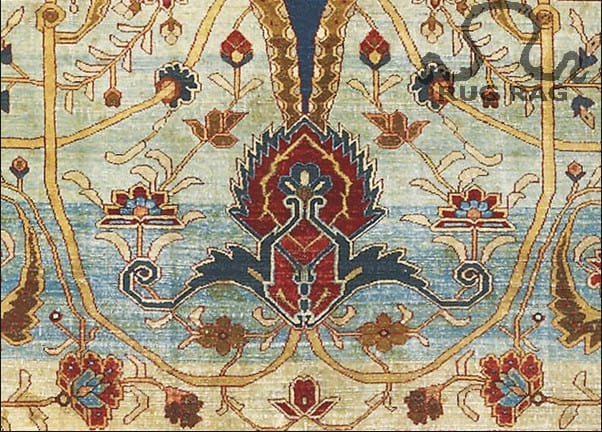
Abrash rugs are instantly recognizable by the soft, organic shifts in color that flow across its surface, creating a visual texture that feels alive, nuanced, and unmistakably handmade. Abrash is the term used to describe the natural color variations that appear in handwoven rugs – variations that give these rugs depth, charm, and an irreplacable sense of character.

While many rug owners assume the shifts in color indicate fading or dye issues, abrash is actually one of the most prized features in high-quality handmade rugs. It represents the rug’s authenticity and the story of its creation.

What Exactly is Abrash?

Abrash refers to the visible color changes that ocur within areas that are intended to be the same color. Instead of perfect unformity, you might notice bands or strips – sometimes subtle, sometimes pronounced. These variation aren’t flaws. They’re expressions of the natural world blending with human craftsmanship.

In handwoven rugs, no two sgtrands of wool are identical. Even when wool is dyed in a single batch, slight variation in texture and absorption create different tones. When woven into a rug, these differences become visible as abrash in abrash rugs.

These color changes give handmade rugs their soul. Every line of variation tells the story of the weavers, the wool, the climate, and even the sheep themselves.

The Origin of Abrash: Nature at Work

To understand abrash, imagine looking at a hillside covered with sheep. Even if they appear generally white, cream, or brown, you’ll quickly notice that none of them are exactly the same color. Every sheep’s wool differs slightly in shade, softness, and texture – just like people have different hair types and colors.

When wool from multiple sheep is processed together, these difference remain. And when the wool is dyed, texture variations and natural color differences cause the dye to absorb slightly differently in each strand. 

Even when using:

  • The same dye formula
  • The same dye batch
  • The same weaving technique

…the wool still display subtle shifts in color.

Seasonal changes also influrence wool. Temperature, nutrition, age, and weather affect the density and oil content of each sheep’s coat. This results in fiber that absorbs dyes differently from season to season.

These are not inconsistencies – they are the foundation of what makes abrash rugs uniquely beautiful.

How The Dyeing Process Creates Abrash

abrash rugs with color variations

In addition to natural fiber variation, abrash can also occur because of the dyeing process itself. Small-batch dyeing – common in tribal and village rug production – creates dye lots that are never 100% identical.

Even when the dyer uses: 

  • The same recipe
  • The same plant, root,bark, or insect derived pigment
  • The same pot
  • The same time and temperature

The resulting wool can still vary slightly from batch to batch.

The means when the first batch of dyed wool runs out weavers start weaving with a new batch, the variation becomes visible in the rug. This transistion often appears as a horizontal shift in color.

These “stripes” are what collectors and rug enthusiasts admire in abrash rugs. They show that the rug wasn’t mass-produced – it was made by human hands using natural materials.

Why Abrash is More Noticeable in Tribal Rugs

tribal abrash rugs with color variation

While abrash exist in every hand-notted rug, it’s most pronounced in tribal and village rugs. That’s because:

1.Natural Dyes Are More Variable. Tribal rugs often use dyes made from:

  • Plants
  • Fruits and vegetable
  • Roots
  • Tree bark
  • Minerals
  • Insects (like cochinel)
  •  

These pigments vary based on season, soil, rainfall, and even the dyer’s experience. As a result, each batch can produce noticeably different tones – even if the dyer follow the exact same process.

2. Smaller Dye Pots Create More Variation

Village weavers work with very small dye batches. When that batch runs out, the next one may differ slightly. In larger city workshops, bigger dye lots allow for more uniformity.

3. Hand-Spun Wool Adds Texture

Tribal rugs often use hand-spun wool. The uneven spin causes the dye to absorb differently along the strand, creating highlights and shadows that contribute to the abrash effect in abrash rugs.

Why Abrash is Less Noticeable in City Rugs

City or workshop rugs tend to have much more uniform coloration because:

  • They use factory-processed wool
  • They rely on larger, more controlled dye lots
  • They often use chemically consistent commerical dyes

This doesn’t mean city rugs are inferior – just different. Where tribal rugs embrace artistic freedom and natural materials, city workshops strive for precision and consistency.

Still, even in the most refined Persian city rugs, abrash can be found,. Autentic hand-knotted construction ensures no rug is ever perfectly uniform.

Abrash Becomes More Visible With Age

Abrash tends to reveal itself more clearly as abrash rugs age. Expose to:

  • Sunlight
  • Foot traffic
  • Air
  • Cleaning
  • Oxidation

can enhance the contrast between color variations.

Sometimes a rug that looked relatively even when new becomes more visually dynamic decades later. This is one reason antique and vintage rugs often have breathtaking abrash.

Why Cleaning Sometimes Makes Abrash Appear More Prominent

Many rug owners are surprised when abrash becomes clearer after professional cleaning. But the reason is simple: dirt dulls the rug and masks natural color variations. When the rug is cleaned properly, the original tones return, amking the abrash more visible.

Cleaning doesn’t cause abrash – it simply reveals what was always there.

Professional cleaning can also:

  • Revive muted colors
  • Remove soil from deep in the fibers
  • Restore sheen
  • Brighten wool
  • Reduce distortion from wear

If your rug looks different after cleaning it’s often because you’re finally seeing the wool and dye as they were intended.

Why Abrash is a Sign of Authenticity

Abrash is one of the strongest indicators that a rug is genuinely hand-knotted. Machine-made rugs aim for perfect uniformity in yarn and dye lots, so they rarely show natural color shifts. Collectors, rug scholars, and rug dealers often seek out abrash because:

  • It reveals the handmade process
  • If reflects natural materials
  • It adds beauty and softnee
  • It gives the rug personality
  • It creates movement in the design

No two abrash rugs look alike. This means your rug is one-of-a-kind.

Abrash Gives Your Rug Its Personality

A handmade rug isn’t just decor-it’s artwork. And just like painting, handmade rugs carry the marks of their creation. Abrash is one of those marks. The variations in color tell the story of:

  • The weavers who create it
  • The sheep who grew the wool
  • The natural dyes used
  • The village or region where is was woven
  • The climate and seasons that affected the materials
  • The passage of time

Abrash gives depth and movement to the rug. It keeps the eye engaged. It makes the rug feel warm, authentic, and connected to a tradition thousands of years old. Without abrash, handmade rugs woould lose much of their charm and individuality.

Thinking About Cleaning Your Abrash Rug?

Whether you own a tribal rug rich in natural abrash or a city rug with more subtle variation, professional care helps preserve its beauty.

If you ever have questions about your abrash rugs-especially when it comes to cleaning, color changes, or natural variations-we are your local professional wool rug cleaning experts. We offer:

  • No-obligation advice
  • Expert inspections
  • Pick-up and delivery for rug cleaning
  • Deep clening specialized for wool and hand-woven rugs

Your rug is one-of-a-kind, and it deserves the kind of care that honors its handmade origin.

Like this post? Please share!

Share on facebook
Facebook
Share on twitter
Twitter
Share on linkedin
LinkedIn

More post you might like...